


Losing someone we love is one of life’s most difficult moments, and finding the right words at such a time can seem very challenging. A heartfelt condolence message can offer the grieving person comfort, sympathy, and the reassurance that they are not alone during this difficult time.
Meaningful condolence messages do not require lengthy or complex words; rather, sincerity and empathy are essential. This collection includes over 100 touching condolence messages that will help convey comfort, love, and sympathy during times of grief.
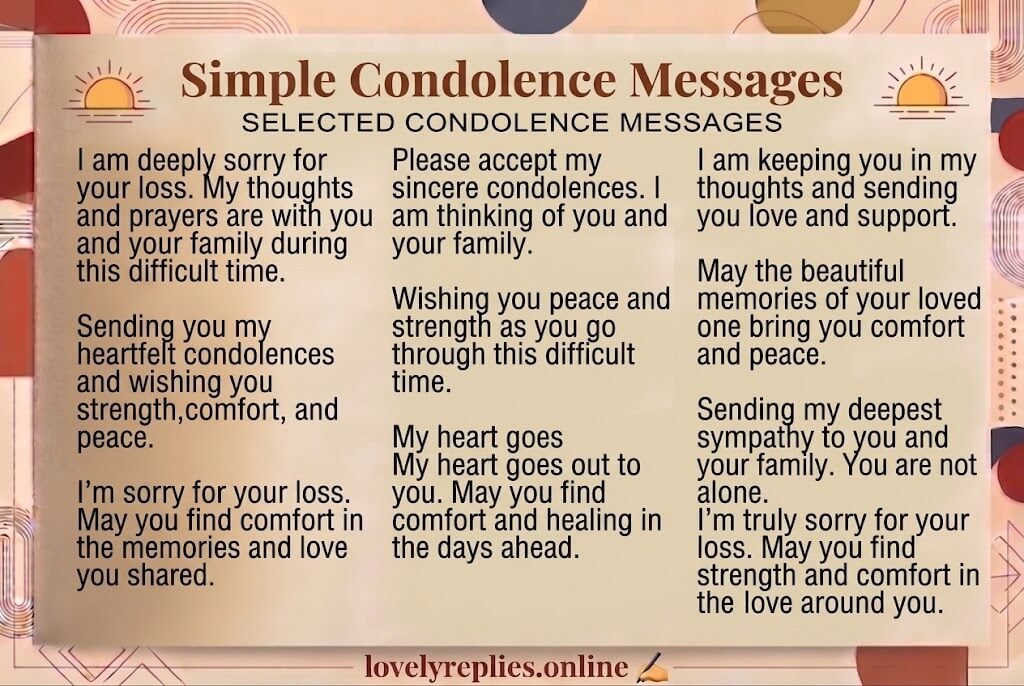
Simple Condolence Messages
When someone loses a loved one, a few sincere words of condolence can convey a sense of sympathy and support. Expressing love and sorrow during a time of grief reminds the bereaved person that they are not alone and that you share in their pain.
Simple condolence messages often touch the heart more deeply because they convey sincerity, empathy, and love. These messages help express one’s grief and sympathy—whether via text or card—and offer comfort to the bereaved.
I share equally in your grief. May Allah grant you strength and peace in the days ahead.
You are in my thoughts and prayers. My love and support are always with you.
May the beautiful memories of your loved one bring peace and comfort to your heart.
I offer my heartfelt condolences to you and your family. Please remember that you are not alone.
I am deeply saddened by your loss. I pray that you find strength and peace through the love of your dear ones.
Condolence Messages for Loss of a Parent
Losing a parent is one of life’s most painful experiences. At such a time, a heartfelt message of condolence conveys sympathy, love, and support to the bereaved, reminding them that they are not alone during this difficult period.
When writing a condolence message upon the passing of a parent, express sympathy, acknowledge their grief, and offer your support. A few words filled with sincerity and love mean a great deal to the bereaved.
Losing one’s parents is deeply painful. May Allah grant you strength through the support of loved ones and the comfort of beautiful memories.
My prayers are with you during this difficult time. May the memories of your parents bring peace and happiness to your heart.
Your loss deeply saddens me. I pray that the love of your parents serves as a source of strength and courage for you in the days ahead.
You have my heartfelt sympathy. I hope the beautiful memories shared with your parents bring you peace and keep the memory of that special bond alive.
Your parents were wonderful people and will always be remembered. May Allah grant you patience and peace during this difficult time.
While the pain of losing one’s parents cannot be erased, a heartfelt message of condolence can offer comfort and a sense of sympathy to the bereaved. You can convey your support and love during this difficult time by sending such a message via a card, text, or email.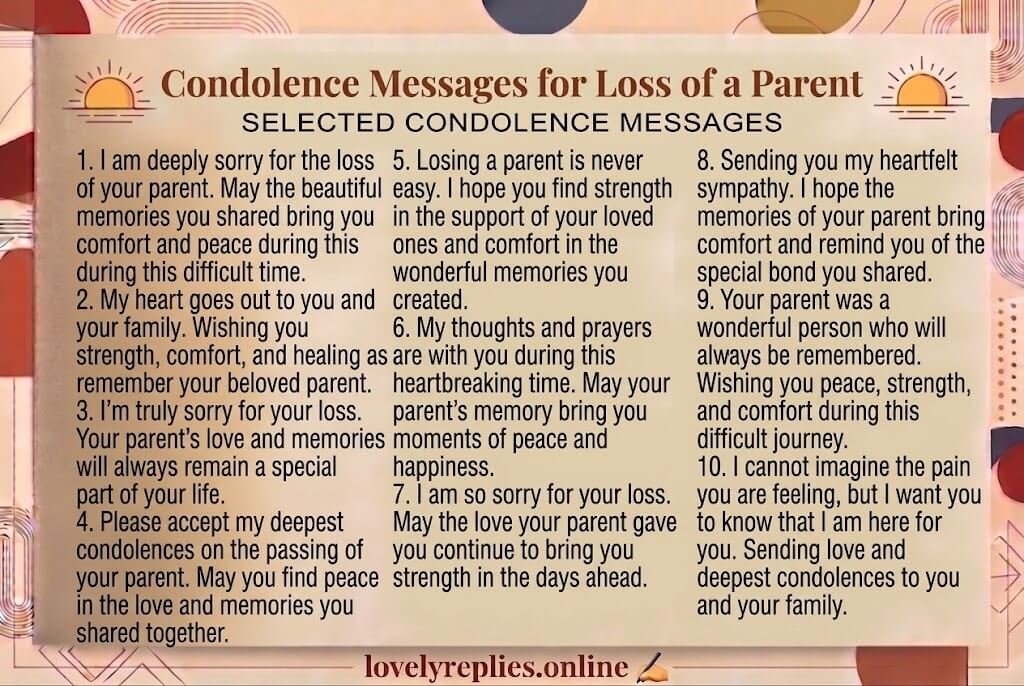
Condolence Messages for Loss of a Spouse or Partner
Losing a spouse is deeply painful. At such a time, a heartfelt message of condolence can offer comfort and strength to the bereaved. A few sincere words of sympathy let them know they are not alone and that you share in their grief.
When writing a condolence message upon the passing of a spouse, express gentleness, empathy, and love. The aim is not to eliminate the grief, but to offer comfort, understanding, and encouragement.
My heartfelt sympathies and best wishes are with you. May you find strength in the love and beautiful memories of your loved ones.
Losing a life partner is never easy. I pray that you find peace, courage, and the support of your loved ones during this difficult journey.
My deepest condolences to you and your family. May the love of your spouse continue to bring you peace and strength.
This unbearable loss deeply saddens me. Please remember that you are not alone; those who care about you are by your side.
I pray that the beautiful memories of your spouse bring you comfort during these difficult days. Please accept my heartfelt sympathies and condolences.
A heartfelt condolence message cannot erase the pain of losing a spouse, but it can offer comfort and convey the love of those who care. Such messages help share the burden of grief with empathy, love, and respect, while paying tribute to cherished memories.
Condolence Messages for Loss of a Child
The loss of a child is deeply painful for parents and the family. At such a time, a heartfelt message of condolence can offer comfort and a sense of sympathy to the grieving parents. While words cannot take away the sorrow, acknowledging the love shared and cherishing beautiful memories can provide emotional support.
When writing a condolence message for the loss of a child, express gentleness, love, and sympathy. Instead of trying to explain the grief or offer simple solutions, focus on offering condolences, cherishing beautiful memories of the child, and extending support. A few sincere words can convey love and provide a sense of support to the family during this difficult time.
I cannot fathom the depth of your grief, but I want you to know that you are not alone. My heartfelt sympathies are with you.
Though your child’s life was brief, they touched many hearts. May the memories you shared bring you comfort during this difficult time.
I pray that you find the strength and peace to cope with this unbearable sorrow. May the precious moments spent with your child give you courage.
Your loss deeply saddens me. Your child will always be remembered, and your family is in my prayers during this trying time.
I pray that the love you hold for your child continues to give you strength in the days ahead. My heartfelt condolences to you and your family.
A condolence message upon the death of a child is a way to express love and sympathy during a difficult time of grief. By sending such a message—whether via a card, mobile text, or letter—one can reassure the parents that their child’s memory is cherished and that they are not alone, but are surrounded by love and support.
Condolence Messages for Loss of a Grandparent
Losing a grandparent can be a deeply emotional experience, as grandparents often hold a special place in our hearts through their love, wisdom, kindness, and lifelong memories. During this difficult time, a thoughtful condolence message can provide comfort and remind someone that they are surrounded by care and support. While words cannot remove the sadness of losing someone so special, expressing your sympathy can help bring a sense of peace and connection.
When writing a condolence message for the loss of a grandparent, focus on acknowledging their impact, honoring their memory, and offering support to the grieving family. A sincere message that reflects love, respect, and understanding can mean a lot during a time of loss.
Whether you are writing to a friend, family member, or colleague, gentle words of sympathy can help them feel less alone as they remember and celebrate the life of their beloved grandparent.
Here are some condolence messages for the loss of a grandparent to offer sympathy and support:
- I am deeply sorry for the loss of your beloved grandparent. May the beautiful memories you shared bring you comfort, peace, and strength during this difficult time.
- Please accept my heartfelt condolences on the passing of your grandparent. Their love, wisdom, and kindness will always remain a treasured part of your life.
- I am so sorry for your loss. Losing someone who has given so much love and guidance is never easy. May you find comfort in the wonderful memories you created together.
- Your grandparent was a special person whose kindness and warmth touched many lives. Sending you love, prayers, and my deepest sympathy during this difficult time.
- May the memories of your grandparent bring you moments of comfort and remind you of the love they shared with you throughout their life.
- I cannot imagine how difficult this time must be for you and your family. Please know that you are in my thoughts, and I am sending you strength and support.
- I am deeply saddened to hear about the loss of your grandparent. May their legacy of love and wisdom continue to inspire you for years to come.
- Sending my heartfelt condolences to you and your family. I hope the love and memories you shared with your grandparent bring you peace during this time of grief.
- Your grandparent’s love and presence made a lasting impact on everyone who knew them. May you find comfort in knowing how much they were loved and appreciated.
- I am sorry for the loss of such an important person in your life. May you find strength in the memories, stories, and special moments you shared together.
- Losing a grandparent is losing a piece of family history and a source of unconditional love. My thoughts are with you as you remember and honor their life.
- May your heart find peace as you reflect on the wonderful life your grandparent lived and the many beautiful memories they left behind.
- Please know that you are not alone during this difficult time. I am sending you love, comfort, and my deepest condolences.
- Your grandparent’s kindness and wisdom will continue to live on through the people they loved and the memories they created. Wishing you comfort and healing.
- I hope you find strength in the love of your family and friends as you mourn the loss of your grandparent. Sending you my sincere sympathy and support.
A condolence message for the loss of a grandparent is a meaningful way to show compassion and offer comfort during a time of grief. These heartfelt messages can be shared through a sympathy card, text message, or personal note to remind someone that their loss is understood and that they have support while honoring the memory of their beloved grandparent.
Condolence Messages for Sudden Loss
A sudden loss can be especially difficult to process because it often leaves family and friends feeling shocked, heartbroken, and unprepared for the pain of losing someone they love. During such an overwhelming time, a thoughtful condolence message can offer comfort, emotional support, and a reminder that they are not alone. While words cannot take away the pain of grief, a sincere message can provide a sense of care and compassion when someone needs it most.
When writing a condolence message for a sudden loss, it is important to acknowledge the person’s pain, express your sympathy, and offer your support with gentle and caring words. Avoid trying to explain the loss or offer quick solutions; instead, focus on being present and letting them know they are surrounded by people who care. Here are some heartfelt condolence messages for sudden loss to offer sympathy and support:
- I am deeply sorry for your sudden loss. My heart goes out to you and your family during this incredibly difficult time. May you find strength and comfort in the memories you shared.
- I cannot imagine the pain you are going through after such an unexpected loss. Please know that you are in my thoughts, and I am here for you whenever you need support.
- My deepest condolences to you and your loved ones. May you find peace, strength, and comfort during this heartbreaking time.
- I was deeply saddened to hear about your loss. Sending you love, prayers, and support as you navigate through this difficult journey.
- Words cannot express how sorry I am for your sudden loss. Please remember that you are not alone, and there are people around you who care deeply.
- My heart breaks for you during this painful time. Wishing you comfort, courage, and healing as you cope with this unexpected loss.
- I am truly sorry that you are facing such a difficult moment. May the love and memories of your loved one bring you comfort in the days ahead.
- Losing someone so suddenly is incredibly painful. Please accept my heartfelt condolences, and know that I am keeping you and your family in my thoughts.
- I wish I had the right words to ease your pain, but please know that I am thinking of you and sending my deepest sympathy.
- My heart goes out to you and your family after this unexpected loss. May you find strength in the love and support surrounding you.
- I am so sorry for your loss. May the beautiful memories you created together bring you moments of comfort during this difficult time.
- During this time of shock and sadness, I hope you find peace knowing that your loved one was deeply cherished and will always be remembered.
- Sending you my sincerest condolences. May you be surrounded by love, support, and kindness as you begin to heal from this loss.
- I am saddened by the news of your sudden loss. Please take all the time you need to grieve, and know that I am here for you.
- No words can truly comfort someone after an unexpected loss, but I hope you feel the care and support of everyone who is thinking of you.
A sudden loss can bring deep sadness and unanswered emotions, making support from loved ones even more meaningful. A heartfelt condolence message may seem like a small gesture, but it can provide comfort,
reassurance, and a reminder that the grieving person does not have to face their pain alone. These messages are suitable for sending through text, cards, emails, or personal notes to express sympathy with kindness and compassion.
Religious and Spiritual Condolence Messages
For many people, faith and spirituality provide comfort, strength, and hope during times of loss. A religious or spiritual condolence message can offer reassurance by acknowledging the person’s beliefs, honoring their loved one’s
memory, and reminding them that they are surrounded by prayers, love, and support. During moments of grief, words of faith can bring peace and help someone find comfort while they navigate the pain of losing someone special.
When writing a religious condolence message, it is important to be respectful of the grieving person’s beliefs and use words that feel sincere and comforting. A message that includes prayers, faith, and hope can provide emotional support while reminding them that their loved one’s memory and impact will always remain. Here are some religious and spiritual condolence messages to offer sympathy and support:
- I am deeply sorry for your loss. May God surround you with comfort, peace, and strength during this difficult time.
- My thoughts and prayers are with you and your family. May you find healing and comfort through your faith and the beautiful memories you shared.
- May God give you the strength to face these difficult days and bring peace to your heart as you remember your loved one.
- I am keeping you in my prayers during this time of sorrow. May you feel God’s love and comfort surrounding you.
- May your faith give you courage and your memories bring you peace. Sending you my deepest condolences and prayers.
- I am truly sorry for your loss. May God bless you with strength, comfort, and hope as you go through this journey of grief.
- May the love of God bring you peace and help you find comfort during this heartbreaking time. You and your family are in my prayers.
- My heart goes out to you and your family. May your loved one rest in eternal peace, and may you find comfort in your faith.
- May God’s grace provide you with strength and healing. Keeping you and your loved ones in my thoughts and prayers.
- I pray that you find peace in the memories you shared and comfort in knowing that your loved one is always remembered.
- During this difficult time, may your faith be a source of strength and may God’s love bring you comfort and hope.
- Sending you prayers, love, and heartfelt sympathy. May you feel surrounded by kindness, support, and divine comfort.
- May the beautiful soul you lost find eternal peace, and may your heart be filled with comfort through faith and cherished memories.
- I am praying for you and your family during this time of sadness. May God give you patience, strength, and peace.
- May you find comfort in knowing that love never fades and that the memories of your loved one will always remain in your heart.
Religious and spiritual condolence messages can provide meaningful comfort to those who find strength in their faith. Whether shared through a sympathy card, text message, or personal note, these messages can express compassion, offer prayers, and remind someone that they are supported during their time of grief.
How to Write a Meaningful Condolence Text Message
Writing a meaningful condolence text message is a thoughtful way to show someone that you care and are thinking of them during a difficult time. When someone experiences the loss of a loved one, a sincere message can provide comfort, emotional support, and a reminder that they are not alone. Even a few heartfelt words can bring peace and show that you are there to support them through their grief.
The best condolence messages are not about finding perfect words; they are about expressing genuine sympathy, kindness, and compassion. A simple and thoughtful message can acknowledge their loss,
honor the person they lost, and offer comfort without making their pain feel overlooked. Whether you are writing to a friend, family member, colleague, or someone close to you, the most important thing is to make your message sincere and respectful.
Here are some tips for writing a meaningful condolence text message:
Start With a Simple Expression of Sympathy
Begin your message by acknowledging the loss and expressing your sadness. A gentle opening lets the person know that you care and that you are thinking about them during this painful time.
Examples:
- I am so sorry for your loss. My heart goes out to you and your family.
- I was deeply saddened to hear about your loss. Please accept my heartfelt condolences.
Mention the Person Who Passed Away
If you knew the person who passed away, including their name or mentioning a positive quality about them can make your message feel more personal and meaningful. It shows that their life was valued and remembered.
Examples:
- I will always remember how kind and caring [name] was. Their memory will stay with us forever.
- [Name] was a truly special person, and I feel grateful to have known them.
Offer Comfort and Support
A condolence message should remind the grieving person that they have people around them who care. Offering your support can help them feel less alone during their journey through grief.
Examples:
- Please know that I am here for you whenever you need someone to talk to.
- You do not have to go through this difficult time alone. I am always here to support you.
Keep Your Words Gentle and Respectful
Grief affects everyone differently, so it is important to avoid phrases that minimize their pain or try to explain the loss. Focus on compassion, understanding, and kindness rather than offering advice.
Avoid:
- “Everything happens for a reason.”
- “They are in a better place” (unless you know this matches their beliefs).
Instead, try:
- “I hope you find comfort and strength in the love and memories you shared.”
- “Sending you peace and support during this difficult time.”
Add a Personal Touch
A personal memory, kind thought, or meaningful detail can make your condolence text feel more genuine. Even a short mention of a special moment can bring comfort to someone who is grieving.
Examples:
- I will always remember their warm smile and the kindness they showed everyone around them.
- The memories you created together will always be a beautiful part of your life.
End With a Caring Closing
Finish your message with a supportive closing that reinforces your sympathy and lets the person know you are thinking of them.
Examples:
- Sending you love, strength, and my deepest condolences.
- Keeping you and your family in my thoughts and prayers.
- Wishing you comfort and peace during this difficult time.
A meaningful condolence text message does not need to be long or complicated. The most important thing is to write with sincerity, compassion, and care. A few thoughtful words can provide comfort, show support, and remind someone that they are surrounded by kindness during one of life’s most difficult moments.
What to Say in a Condolence Message
Finding the right words to say after someone experiences a loss can feel difficult, especially when you want to offer comfort without adding to their pain. A thoughtful condolence message does not need to be perfect or lengthy;
it simply needs to express genuine sympathy, acknowledge their loss, and remind them that they are cared for. A few sincere words can provide emotional support and help someone feel less alone during their time of grief.
When writing a condolence message, focus on kindness, compassion, and understanding. Let the grieving person know that you are thinking of them, offer your support, and share comforting words that honor the memory of their loved one. Whether you are sending a message to a friend, family member, colleague, or someone close to you, a heartfelt note can bring comfort during a painful time.
Here are some things you can say in a condolence message:
Express Your Sympathy
Start your message by acknowledging their loss and sharing your sadness. Simple words of sympathy can show that you care and are thinking about them.
Examples:
- I am deeply sorry for your loss. Please accept my heartfelt condolences.
- My heart goes out to you and your family during this difficult time.
- I was saddened to hear about your loss. Sending you love and support.
Acknowledge Their Grief
Recognizing that they are going through a painful experience can make your message feel more compassionate and understanding.
Examples:
- I cannot imagine how difficult this time must be for you, but please know that you are not alone.
- I am thinking of you as you navigate through this difficult journey of grief.
- May you find strength and comfort in the love and memories you shared.
Share a Positive Memory or Kind Words
If you knew the person who passed away, mentioning something special about them can bring comfort and show that their life made an impact.
Examples:
- I will always remember their kindness and the warmth they brought to those around them.
- They were a truly wonderful person, and their memory will always be cherished.
- The beautiful moments and memories you shared will remain with you forever.
Offer Your Support
A condolence message can be more meaningful when it reminds the person that they have support around them.
Examples:
- Please know that I am here for you whenever you need anything.
- If there is anything I can do to help, please do not hesitate to reach out.
- Sending you strength and comfort during this difficult time.
End With Comforting Words
Close your message with a gentle reminder of your care and sympathy.
Examples:
- Wishing you peace, comfort, and strength in the days ahead.
- Keeping you and your family in my thoughts and prayers.
- May the memories of your loved one bring you comfort and healing.
Things to Avoid Saying in a Condolence Message
While trying to offer comfort, it is best to avoid words that may unintentionally minimize someone’s grief or make them feel pressured to move on.
Avoid phrases like:
- “Everything happens for a reason.”
- “Be strong.”
- “At least they lived a long life.”
- “I know exactly how you feel.”
Instead, choose words that show empathy and support, such as:
- “I am here for you.”
- “I am so sorry you are going through this.”
- “You are in my thoughts during this difficult time.”
A meaningful condolence message is not about finding the perfect sentence; it is about showing care, respect, and compassion. Whether you send a short text, write a sympathy card, or share a personal note, sincere words can bring comfort and remind someone that they are supported while they grieve the loss of their loved one.
What Not to Say in a Condolence Message
Writing a condolence message requires kindness, sensitivity, and understanding. While the intention is usually to provide comfort, some words or phrases can unintentionally make a grieving person feel misunderstood, dismissed, or pressured to move on too quickly.
During a time of loss, it is important to focus on acknowledging their pain, offering support, and showing compassion rather than trying to explain the situation or find quick solutions.
A meaningful condolence message does not need to remove someone’s sadness; it simply needs to remind them that they are cared for and supported. Avoiding certain phrases can help ensure your message feels comforting, respectful, and appropriate for someone who is grieving.
Here are some things you should avoid saying in a condolence message:
Avoid Saying “Everything Happens for a Reason”
Although this phrase is often meant to provide comfort, it can feel hurtful because it may seem like you are trying to explain or justify someone’s loss. Grief is personal, and the person may not be ready to find meaning in their pain.
Instead, say:
- I am so sorry for your loss. I hope you find comfort and strength during this difficult time.
- I am here for you and thinking of you as you go through this journey.
Avoid Comparing Their Loss to Someone Else’s
Everyone experiences grief differently. Comparing their loss to another person’s experience can make them feel that their pain is being minimized or overlooked.
Avoid:
- “I know someone who went through the same thing.”
- “My loss was worse, so I understand.”
Instead, say:
- I cannot imagine how difficult this must be for you, but I want you to know that I care and I am here for you.
Avoid Saying “Be Strong”
Although this phrase is usually intended as encouragement, it can make someone feel like they are not allowed to show sadness or vulnerability. Grieving people need permission to feel their emotions.
Instead, say:
- Take all the time you need to grieve and heal.
- Please know that you do not have to go through this alone.
Avoid Giving Unasked Advice
During grief, people often need understanding more than solutions. Offering advice about how they should feel or what they should do can unintentionally add pressure.
Avoid:
- “You should try to move on.”
- “You need to stay positive.”
Instead, say:
- I am here to listen whenever you need someone to talk to.
- Take things one day at a time, and know that you have my support.
Avoid Focusing Only on Your Own Feelings
It is natural to feel sadness after someone passes away, but a condolence message should primarily support the person who is grieving. Avoid making the message about your own experience.
Instead of:
- “I am devastated; I cannot believe this happened to me.”
Try:
- “I am deeply sorry for your loss. My thoughts are with you and your family.”
Avoid Minimizing Their Pain
Phrases that try to make the loss seem smaller can make someone feel that their grief is not being understood.
Avoid:
- “At least they lived a long life.”
- “You can always have another child.”
- “It was meant to be.”
Instead, say:
- Your loved one will always be remembered and cherished.
- I hope the memories you shared bring you comfort and peace.
Avoid Using Clichés Without Personal Meaning
Simple phrases are okay, but a message that feels too generic may not provide the comfort you intend. Adding a personal touch can make your words more meaningful.
Instead of only saying:
- “Sorry for your loss.”
Consider:
- “I am deeply sorry for your loss. I hope the love and memories you shared bring you comfort during this difficult time.”
Knowing what not to say in a condolence message can help you communicate with greater empathy and care. The most important thing is to acknowledge the person’s grief, offer genuine support, and remind them that they are not alone. A few thoughtful and compassionate words can make a meaningful difference during a difficult moment.
Sympathy Gifts and Gestures to Send With Condolence Messages
A heartfelt condolence message can provide emotional comfort after a loss, but sometimes a thoughtful gesture can help express care in a more meaningful way. Sympathy gifts and small acts of kindness can remind someone who is grieving that they are supported, remembered, and surrounded by people who care. While no gift can take away the pain of losing a loved one, a compassionate gesture can bring comfort and show that you are thinking of them during a difficult time.
When choosing a sympathy gift or gesture, it is important to consider the person’s needs, personality, and relationship with the person they lost. The most meaningful gestures are often simple and sincere, focusing on offering comfort, support, and kindness rather than the value of the gift itself. Here are some thoughtful sympathy gifts and gestures to send with condolence messages:
Flowers or Sympathy Arrangements
Flowers are one of the most traditional ways to express sympathy and show support after a loss. A beautiful arrangement can serve as a reminder of love, care, and remembrance during a difficult time. Many people choose peaceful flowers such as lilies, roses, or orchids to offer a comforting gesture.
You can include a short message such as:
- Sending these flowers with my deepest condolences. May they bring a little comfort during this difficult time.
- Thinking of you and your family and sending love, prayers, and sympathy.
A Personalized Memory Gift
A personalized gift can help honor the memory of someone who has passed away. Items such as a framed photo, memorial candle, engraved keepsake, or memory book can provide a meaningful reminder of the special moments shared with their loved one.
Examples include:
- A photo frame with a cherished memory.
- A personalized memorial ornament.
- A handwritten collection of favorite memories.
Food or Meal Delivery
During grief, everyday tasks can feel overwhelming. Sending a meal, gift basket, or food delivery can be a practical way to show care and support. A simple gesture like providing dinner can allow the grieving person to focus more on themselves and their family.
You can add a note like:
- I hope this small gesture makes things a little easier. Please take care of yourself during this difficult time.
- Sending love and comfort. I hope this meal brings you a moment of peace.
A Handwritten Sympathy Card
A handwritten card can feel especially personal because it allows you to share your thoughts in your own words. A sincere note expressing your sympathy, sharing a memory, or offering support can become something the person keeps and reads again later.
A Donation in Their Loved One’s Memory
Making a donation to a charity or organization that was meaningful to the person who passed away can be a thoughtful way to honor their memory. This gesture can create a positive impact while showing respect for their life and values.
A message could include:
- In memory of your loved one, I have made a donation to a cause close to their heart. Keeping you in my thoughts and prayers.
Offer Practical Help
Sometimes the most meaningful gesture is offering your time and support. Small acts of kindness can make daily responsibilities easier for someone who is grieving.
You can offer:
- Helping with errands.
- Preparing meals.
- Assisting with household tasks.
- Providing transportation.
- Simply being available to listen.
A message could say:
- Please let me know how I can help. I am here for you whenever you need support.
A Comfort Gift Basket
A thoughtful comfort basket can include items that encourage rest and self-care, such as tea, snacks, candles, blankets, journals, or calming items. It is a gentle way to remind someone to take care of themselves while they are processing their grief.
A sympathy gift does not have to be expensive or elaborate to be meaningful. The most important thing is the thought, care, and compassion behind the gesture. Whether you send flowers, offer practical help, make a donation, or simply spend time with someone who is grieving, these acts of kindness can provide comfort and show that they are not alone during their difficult journey.
Frequently Asked Questions About Condolence Messages
1. What is a good condolence message?
A good condolence message should be simple, sincere, and compassionate. You can express your sympathy, acknowledge the person’s loss, and let them know you are thinking of them during this difficult time.
2. What should I say to someone who lost a loved one?
You can say, “I am deeply sorry for your loss. My thoughts are with you and your family during this difficult time.” You can also offer your support and remind them that they are not alone.
3. How do you write a heartfelt condolence message?
Start by expressing your sympathy, mention the person who passed away if appropriate, and offer comfort and support. Keep your words gentle, respectful, and sincere rather than trying to find a perfect phrase.
4. What is a short condolence message?
A short condolence message can be as simple as, “I am so sorry for your loss. Sending you my deepest sympathy, strength, and comfort during this difficult time.”
5. What should you avoid saying in a condolence message?
Avoid phrases that minimize grief, such as “Everything happens for a reason” or “Be strong.” It is also better to avoid comparing their loss with your own experience or giving unwanted advice.
6. How do you offer comfort to someone who is grieving?
You can offer comfort by listening, expressing genuine sympathy, and letting them know you are available to help. Simple words of kindness and practical support can mean a lot during grief.
7. Can I send a condolence message by text?
Yes. A thoughtful condolence text can be an appropriate way to show support, especially when you cannot be with the grieving person in person. Keep it sincere, gentle, and personal.
8. What is an appropriate condolence message for a coworker?
For a coworker, keep the message respectful and compassionate. You can say, “I am very sorry for your loss. Please accept my sincere condolences, and know that you and your family are in my thoughts.”
9. What can I say when someone loses a parent?
You can say, “I am deeply sorry for the loss of your parent. May the beautiful memories you shared bring you comfort and strength during this difficult time.”
10. How can I make a condolence message more personal?
Mention a positive memory, special quality, or meaningful moment involving the person who passed away. A personal detail can make your message feel more genuine and comforting.
Conclusion
Finding the right words after someone loses a loved one can be difficult, but a sincere condolence message can provide comfort and emotional support during a painful time. You do not need to write a long or perfect message. Simple words filled with kindness, compassion, and understanding can make a meaningful difference.
Whether you are comforting a friend, family member, coworker, or someone who has experienced a sudden loss, the most important thing is to show that you care. We hope these 100+ heartfelt condolence messages help you express your sympathy, offer support, and remind someone grieving that they are not alone.
Read More:
100+ Get Well Soon Messages to Show You Care
100+ Meaningful Ways to Say Rest in Peace
100+ Comforting Things to Say When Someone Dies



[…] The most important thing is to choose words that genuinely reflect the person’s life and the connection you shared. A few sincere words can become a lasting tribute and remind everyone that although someone may be gone, their memory, love, and legacy can live on forever. Read more: 100+ Heartfelt Condolence Messages for Every Loss […]
[…] that although someone may be gone, their memory, love, and legacy can live on forever. Read more: 100+ Comforting Condolence Messages for Difficult Times 100+ Get Well Soon Messages to Show You […]